&geometry(162x76) "InPipe Training")
The course is suitable for civil works, construction, landscaping, water cartage, maintenance and site service workers who need practical knowledge of standpipe use in Australian water network environments.
Course Overview
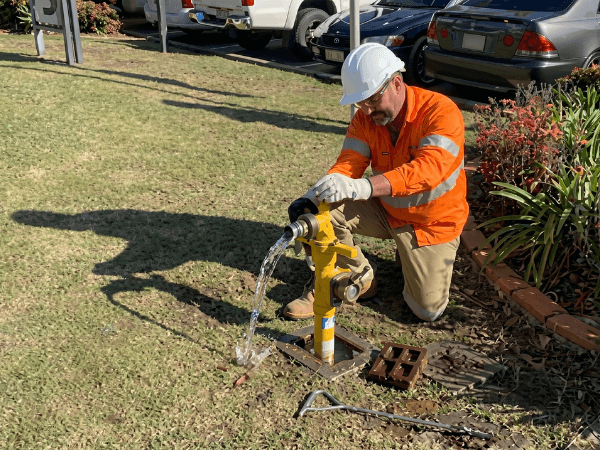
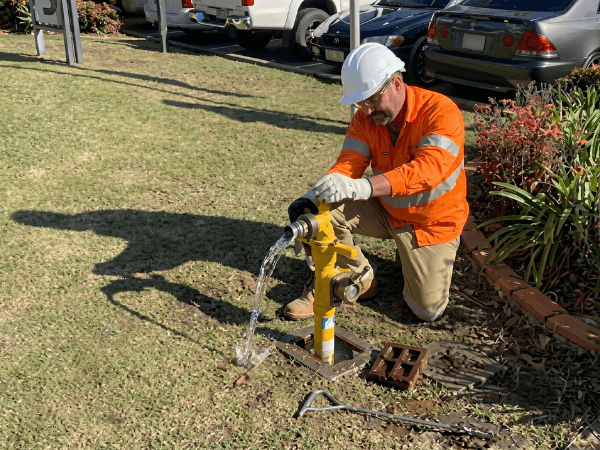
This short course introduces the safe and controlled use of metered standpipes for drawing potable water from approved filling points, authorised hydrants or other nominated connection arrangements. It focuses on the real checks and decisions an operator must make before, during and after filling, including approval conditions, water hygiene, backflow protection, safe connection, flow control, meter readings and reporting faults or abnormal conditions.
The course is suitable for civil works, construction, landscaping, water cartage, maintenance and site service workers who need practical knowledge of standpipe use in Australian water network environments.
At a glance
Duration
4 hours
Delivery Pathways
Online or face to face
Cost
$250
Outcome
Certificate of completion
Non-Accredited Training
Metered standpipe operation
Availability
Domestic students only
Start Dates
Scheduled regularly; dates published when available
Location
Client facilities or suitable training locations across Australia
Who this course is for
- Workers who draw water from approved filling points or authorised hydrants for construction, civil works, landscaping, dust suppression, water cartage, maintenance or site services.
- Operators who need to fit, operate, monitor and remove a metered standpipe in a controlled manner.
- Businesses that need consistent operator awareness before personnel access potable water networks.
- Supervisors who need workers to understand water hygiene, backflow, meter readings and fault reporting
What participants will learn
- Confirm approved filling locations, permits, access conditions and asset owner requirements.
- Identify the key parts of a metered standpipe and typical hydrant outlet assembly.
- Inspect the standpipe, fittings, seals, lugs, outlet and hydrant connection point before use.
- Apply water hygiene controls to protect the potable water supply.
- Recognise backflow risks and the role of air gaps, double check valves and RPZ devices where required.
- Operate flow gradually, avoid water hammer and complete safe shut-down before removal.
- Complete meter readings, logbook entries and fault or incident reports as required.
Entry requirements and suitability
- There are no formal entry requirements for this non-accredited short course.
- Learners should have sufficient English language and digital skills to participate in the delivery mode selected.
- Face-to-face participants should be able to safely bend, kneel, handle fittings and follow site safety instructions where practical activities are included.
- Learners must not use a standpipe on a live water network unless they have the relevant approval, supervision and authority to do so.
Course Delivery
Delivered as a 4-hour online session or a 4-hour face-to-face workshop. Face-to-face delivery may be conducted at an InPipe Training facility, client workplace or suitable practical location, subject to site suitability, access requirements and available equipment.
- Online delivery uses guided course content, visual examples, knowledge checks and operating scenarios.
- Face-to-face delivery may include equipment familiarisation and practical demonstration.
- Training can be contextualised to the local water authority, council or asset owner requirements that apply to the client group.
Course completion activities
Learners complete activities designed to confirm they understand safe standpipe use and the limits of their authority. Activities may include knowledge questions, scenario checks, image-based fault identification and, where delivered face-to-face, a practical demonstration or trainer-led observation.
- Confirm the filling point or hydrant is approved for use.
- Inspect the standpipe and connection point before fitting.
- Demonstrate or explain the correct fitting, operation, shut-down and removal sequence.
- Identify basic backflow, hygiene, public safety and pressure-related controls.
- Explain what to do when leaks, restricted flow, shut-off issues or contamination risks are identified.
Non-accredited training
This is a non-accredited short course. It is not nationally recognised training and does not result in a Statement of Attainment or AQF qualification.
Learners who complete the required course activities may receive an InPipe Training Certificate of Completion.
Local asset owner approval, permits, backflow certification and water cartage requirements remain separate obligations.How to apply / Enquire
It’s easy to get started. Complete our online application or contact us for personal assistance:
- InPipe Training Pty Ltd (RTO 46456)
- Phone: 1300 INPIPE
- Email: Contact Us